Buying a historic home in Nyack can feel exciting and a little intimidating at the same time. You may be drawn to original porches, ornate trim, and one-of-a-kind details, but you also want to understand what comes with owning an older property. If you are considering this kind of purchase, it helps to know how historic status, inspections, renovation rules, and budgeting can shape your decision. Let’s dive in.
Nyack’s Historic Homes Are Varied
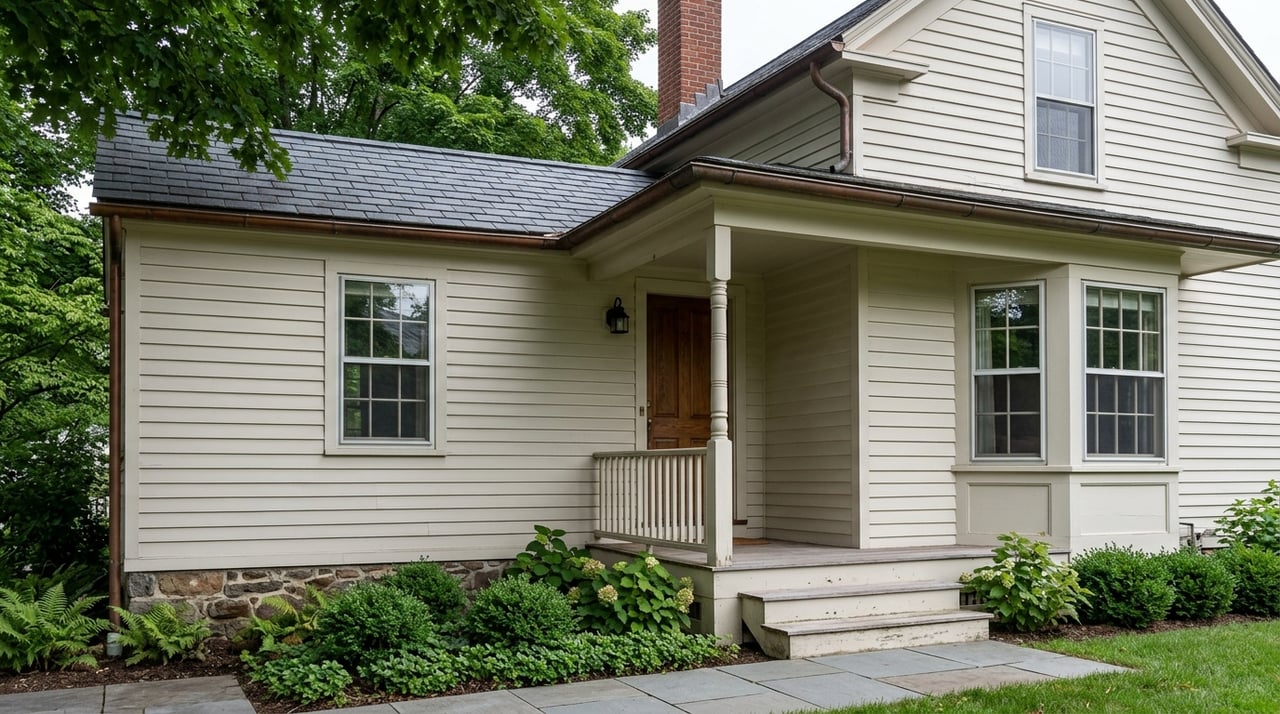
One of the first things to know is that Nyack’s historic housing stock is not all the same. Village planning materials describe a downtown mix of 19th-century mixed-use buildings, Victorian homes, town houses, and small apartment complexes. Historic records for Nyack and Upper Nyack also show architectural styles such as Queen Anne, Greek Revival, and Italianate.
That means you should expect variety, not a single “historic home” template. A detached Victorian may come with very different upkeep needs than a mixed-use building near downtown or an older town house on a village street. From a buyer’s point of view, that makes it especially important to evaluate each property on its own condition, features, and restrictions.
Historic Status Is About More Than Age
A common mistake is assuming a house is historic just because it is old. In Nyack, landmark review looks beyond age alone and considers things like architectural style, date of construction, roof shape and materials, window type and shape, porches, entrances, construction materials, and other defining features. The village’s criteria also emphasize integrity, representative style, and historic significance.
In practical terms, you want to find out early whether the home is simply older or whether it is a designated landmark or part of a historic district. That distinction can affect what changes you can make to the exterior and how you should plan future work. It can also shape your timeline and renovation budget.
Start Due Diligence With the Big Systems
Older homes often have charm that newer properties cannot replicate, but charm should never replace due diligence. New York’s home inspection standards cover the roof, structure, exterior, plumbing, electrical, heating, air conditioning, interior, insulation and ventilation, fireplaces, and attics. For a historic Nyack home, those basics matter even more.
As you review a property, focus closely on the condition of major systems and any signs that repairs were done in stages over time. Historic homes sometimes show a patchwork of updates, with one system improved while another remains outdated. That does not automatically make the house a poor purchase, but it does mean you need a clear picture before you commit.
Roof and Drainage Matter More Than You Think
The roof is one of the most important places to start. Guidance used for historic buildings highlights the value of understanding roof shape, decorative roof features, roofing material, and proper gutter and downspout maintenance to prevent moisture damage. In an older Nyack home, the roof system can affect far more than appearance.
You should pay attention to:
- Roof condition and signs of past leaks
- Flashing and gutter performance
- Chimney condition
- Roof shape and original decorative features
- Venting and moisture management
If water is not being directed away from the house properly, the problems can extend into masonry, trim, walls, and interior finishes. Small issues can become expensive ones when moisture is allowed to linger.
Foundation and Masonry Need a Careful Look
Foundation and masonry conditions are another top priority. You should look for visible movement, cracking patterns, water intrusion, and evidence of past repairs. In an older home, these items can tell you a lot about how the property has performed over time.
This does not mean every crack is a deal breaker. It means you want an inspector to help you separate cosmetic aging from signs of structural or water-related concerns. That kind of clarity is essential when you are making a confident offer.
Older System Updates Can Be Uneven
Plumbing, electrical, and heating systems deserve extra attention in a historic property. New York inspection standards include these areas, and they are often the parts of an old home that have been updated gradually instead of all at once. One owner may have upgraded a boiler, while another addressed only select wiring or fixtures.
If updates were done piecemeal, you may need to plan for future work even if the home is fully livable today. This is where a buyer benefits from a disciplined, data-minded approach. It is not just about whether you love the home. It is about understanding the likely next layer of investment.
Lead Risk Should Be Part of Your Planning
If the home was built before 1978, lead-based paint risk should be on your radar. Older homes are more likely to contain lead paint, and testing is worth considering before purchase or before any renovation that could disturb painted surfaces. When those surfaces are disturbed, hazardous dust can be created.
For buyers, the takeaway is simple: do not leave this question for later if you already know you want to renovate. Lead-safe work can affect both your budget and your contractor planning.
Renovations May Need Village Review
If the home is a Nyack landmark or located within a designated historic district, exterior alterations or demolition require a certificate of appropriateness from the Village’s Architectural Review Board. This requirement is separate from any other permits or approvals that may also apply. The board’s role includes guiding design principles, preserving property values, and improving overall village life.
This matters because many buyers assume they can close first and work out the exterior changes later. In a historic setting, that can create delays. If you are thinking about replacing windows, changing roofing materials, updating siding, altering a porch, or building an addition, you should factor village review into your planning from the beginning.
Ordinary Maintenance Is Treated Differently
Nyack’s code also states that ordinary maintenance or repair with like materials or similar quality and color is not intended to be blocked. That is an important distinction. Basic upkeep is not treated the same way as a visible exterior redesign.
Still, buyers should avoid guessing where that line is. A project that feels simple to you may still trigger review if it changes visible exterior elements. Asking the right questions early can save time, money, and frustration.
Historic Work Is Best Planned as Preservation
A smart mindset for these homes is to think preservation first and cosmetics second. Guidance for historic rehabilitation emphasizes retaining historic roof features where possible, making compatible repairs, and using substitute materials only when necessary and when they are visually compatible. That principle often extends beyond the roof to other exterior features as well.
In real terms, this can affect your design choices and your contractor scope. You may not be choosing between “old” and “new” finishes alone. You may be choosing between repairs that preserve character and replacements that need to fit the home’s historic appearance.
Budget Beyond the Purchase Price
Historic-home buyers often focus on the list price and overlook the cost of doing the work correctly. In Nyack, review requirements can add time and design work to the process, especially for exterior improvements. Matching the historic character of the home can also raise costs compared with similar work on a non-historic property.
Items such as roof work, windows, porches, masonry repairs, and lead-safe renovation practices may cost more than expected. That does not mean a historic home is the wrong choice. It means you should budget with clear eyes before you fall in love with the listing.
A helpful way to think about it is to separate your budget into three buckets:
- Immediate needs like safety, water intrusion, or major system issues
- Near-term improvements like exterior repairs or efficiency updates
- Longer-term wish-list projects like cosmetic changes or layout upgrades
This kind of planning supports better decision-making and stronger negotiations during the purchase process.
Tax Credits and Financing May Help
Some buyers may qualify for New York’s Historic Homeownership Rehabilitation Tax Credit. According to New York State Parks, the credit equals 20% of qualified rehabilitation expenses for eligible owner-occupied historic homes. To qualify, the owner must live in the home, the property must meet historic listing requirements, the home must be in a qualifying census tract, qualified expenses must be at least $5,000, at least 5% of the expenses must be exterior work, and the project must be approved before work begins.
In some cases, the credit may transfer to a buyer if the seller completed the application and received a certificate of completion. The buyer then must occupy the home and claim the credit within five years. Because eligibility depends on specific property and project details, this is something you should confirm early if the credit is part of your renovation strategy.
If you need financing for both the purchase and repairs, FHA 203(k) financing may also be relevant. Standard 203(k) loans require at least $5,000 in repairs, while limited 203(k) loans are geared toward smaller non-structural work. For buyers who want to improve a home instead of finding one that is already updated, this can be a useful path to explore.
Waterfront and Flood Questions Matter in Nyack
If the property is near the Hudson River or in a lower-lying section of the village, flood risk should be part of your due diligence. Nyack’s waterfront planning materials specifically discuss flood hazard areas and sea-level-rise concerns along the waterfront. That makes location-specific research especially important.
Before moving forward, verify flood maps, understand potential insurance implications, and account for any resilience-related costs. A historic home near the water may offer beauty and character, but you want a full picture of the responsibilities that come with that setting.
Questions to Ask Before You Buy
When you are touring or evaluating a historic home in Nyack, these are some of the most useful questions to ask:
- Is this home simply older, or is it a designated landmark or district contributor?
- Which exterior changes would require Architectural Review Board approval?
- What counts as ordinary maintenance versus a reviewed alteration?
- Are there visible signs of roof, chimney, masonry, or moisture issues?
- Have plumbing, electrical, and heating systems been updated fully or in stages?
- Was the home built before 1978, and should lead testing be considered?
- Could this property qualify for the New York homeowner rehabilitation credit?
- Is flood risk or waterfront exposure part of this purchase decision?
These questions can help you move from emotional reaction to informed analysis. That is especially important with a historic property, where the visible charm is only part of the story.
Why a Strategic Buying Approach Matters
A historic home purchase can be deeply rewarding, but it usually works best when you balance emotion with planning. You want to appreciate the craftsmanship and character while also understanding the village review process, system condition, possible hazards, financing options, and future maintenance demands. The goal is not to be scared off. The goal is to make a smart, informed choice.
If you are considering a historic home in Nyack, the right guidance can help you evaluate risk, budget more accurately, and negotiate from a position of confidence. For a buyer, that kind of clarity can make the difference between a stressful surprise and a well-executed long-term investment.
If you want a thoughtful, data-driven approach to buying in Rockland County, connect with Jacqueline Vasquez for a buyer consultation.
FAQs
What makes a home historic in Nyack?
- A home is not considered historic based on age alone. Nyack’s landmark review also considers architectural style, date of construction, materials, roof form, windows, porches, integrity, and historic significance.
What should buyers inspect first in a Nyack historic home?
- Buyers should pay close attention to the roof, chimneys, gutters, flashing, foundation, masonry, moisture intrusion, and major systems like plumbing, electrical, and heating.
Do exterior changes to historic homes in Nyack need approval?
- If the home is a landmark or in a designated historic district, exterior alterations or demolition generally require a certificate of appropriateness from the Village’s Architectural Review Board.
Can buyers get a tax credit for renovating a historic home in Nyack?
- Some owner-occupants may qualify for New York’s Historic Homeownership Rehabilitation Tax Credit, which can equal 20% of qualified rehabilitation expenses if eligibility rules are met and the project is approved before work begins.
Should buyers in Nyack worry about lead paint in older homes?
- If the home was built before 1978, lead-based paint risk should be considered, especially if you plan to renovate or disturb painted surfaces.
Does flood risk affect historic home purchases in Nyack?
- Yes. For homes near the Hudson River or in lower-lying areas, buyers should verify flood maps, review insurance implications, and factor in possible resilience costs early in the process.