Thinking about trading weekend yard work for a simpler lifestyle in River Vale? You are not alone. Many buyers look at townhomes and condos to cut exterior maintenance, gain amenities, and stay close to Bergen County conveniences. In this guide, you will learn how townhome and condo living works in River Vale, how fees and rules operate, what to check before you buy, and how to compare total costs to a single-family home. Let’s dive in.
What townhomes and condos look like in River Vale
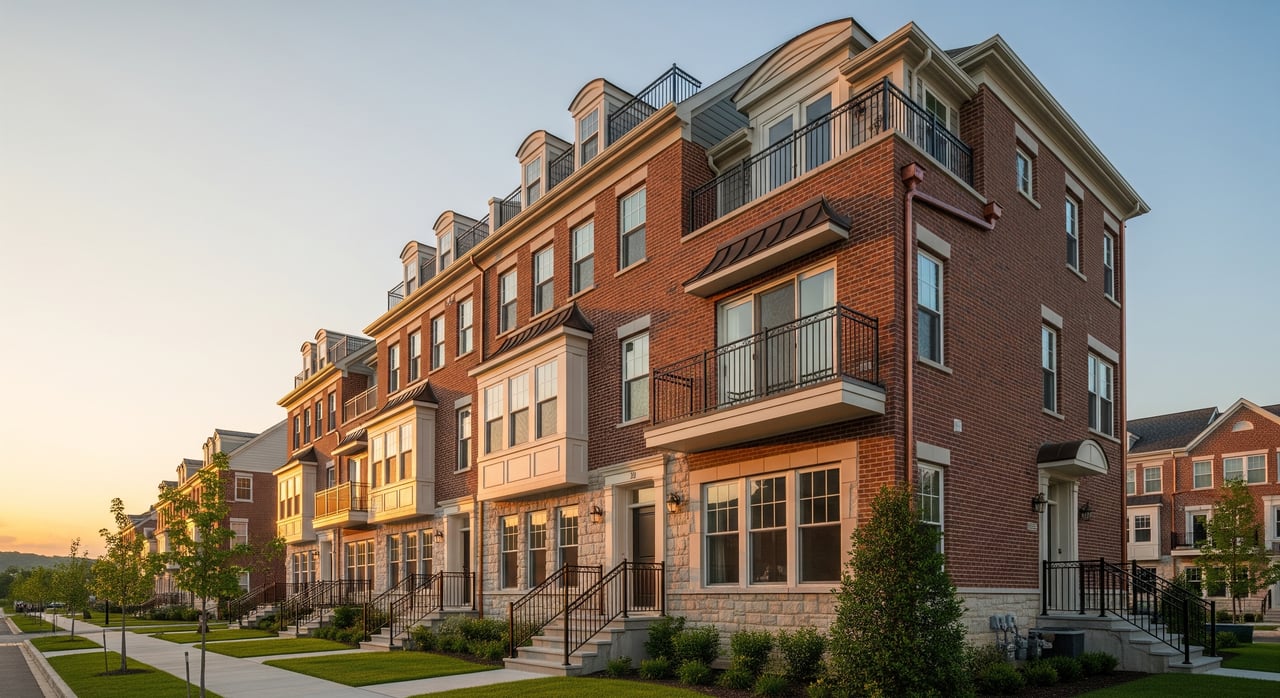
River Vale is a low-density suburban township, so you will see fewer big high-rise buildings and more small condo clusters and townhouse-style communities. These homes appeal to first-time buyers and downsizers who want manageable space and shared upkeep.
Common unit types and layouts
- Garden or low-rise condos with 1–2 bedrooms on a single level.
- Stacked townhomes or carriage units with 2–3 bedrooms over multiple levels and private entries.
- Attached townhouses with garages and small patios or yards, usually 2–4 bedrooms over 2–3 stories.
- Larger “luxury” condos with elevator access and expanded amenities are less common in River Vale but exist elsewhere in Bergen County.
Features and amenities to expect
- Exterior upkeep, landscaping, and snow removal are often included.
- Parking may be assigned or in private garages; guest parking follows association rules.
- Utilities vary by complex. Heat or hot water may be central in some buildings, while others are individually metered.
- Amenities range from basic grounds care to pools, clubhouses, and playgrounds in larger communities.
Commuting and location factors
River Vale buyers often commute within the New York–New Jersey metro. Proximity to major routes like I‑287 and local NJ Transit bus options can influence demand and pricing for condo and townhome units. When you evaluate a complex, check drive times, bus stops, and main corridors you use most.
How associations and fees work
Condo and townhome communities are governed by associations with legal documents that set the rules. In New Jersey, the New Jersey Condominium Act and Planned Real Estate Development statutes shape how associations disclose information and operate.
What your monthly fee covers
While every community is different, fees often include:
- Exterior building maintenance, roof and siding repairs
- Landscaping, lighting, sidewalks, and common-area upkeep
- Snow removal and sometimes trash or recycling services
- Master insurance for the exterior and common elements
- Reserve fund contributions for long-term projects like roofs or paving
- Amenities such as a pool, gym, or clubhouse
- Professional management and administrative costs
In Bergen County, monthly fees range widely based on age, size, services, and amenities. Expect anywhere from the low hundreds to several hundred dollars per month, with amenity-rich communities on the higher end. Always confirm the current fee schedule for the specific complex you are considering.
What you pay separately
- Interior repairs and maintenance, including appliances and finishes
- Individually metered utilities like electric, cable, and internet
- Unit-level property taxes and your mortgage
- Your own HO‑6 condo insurance policy and any deductible exposure
Rules, rentals, and governance
Associations set rules for parking, pets, exterior changes, and noise. Rental policies vary. Some allow rentals with limits, while others restrict them. Strong owner-occupancy often supports financing and resale appeal. Review recent meeting minutes to gauge transparency and community engagement.
Reserves and special assessments
Healthy reserve funds reduce the risk of one-time special assessments for big repairs. Ask for the reserve study, capital plan, and a history of past or planned assessments. Low reserves or active litigation can mean higher risk and higher costs later.
Financing and insurance basics
Financing a condo or townhome has a few extra steps compared to a single-family home. Lenders look at the borrower and the project itself.
Lender and project approval
- Conventional, FHA, and VA loans may require the condo project to meet specific eligibility criteria.
- Lenders often request a condo questionnaire, association budgets, and rules to verify owner-occupancy, delinquency rates, and any pending litigation.
- If a project is not considered “warrantable,” you may need a larger down payment or different loan product.
Start the lender conversation early and tell them the community you are targeting. This helps you avoid surprises when you go under contract.
Insurance you need
- The association carries a master policy for common elements and often the exterior.
- You need an HO‑6 policy for interior walls, personal belongings, liability, and loss of use.
- Ask how the master policy handles deductibles and what portion could be billed back to you after a covered loss.
Flood risk checks
Parts of River Vale lie near waterways, so confirm whether a unit sits in a mapped flood zone. If it does, lenders may require flood insurance. Get quotes early to factor this into your monthly cost.
Resale value, taxes, and market factors
Your long-term outcome depends on both the unit and the association behind it. A well-run community can support values and make financing easier for your future buyer.
What drives resale
- Financial health: strong reserves, low delinquencies, and clear minutes signal stability.
- Owner occupancy: higher owner-occupancy can improve financing options and buyer demand.
- Building age and condition: deferred maintenance can depress prices and trigger assessments.
- Amenities and upkeep: clean, well-kept common spaces support appeal, but can mean higher recurring fees.
- Rental rules: strict caps can limit investor demand, while looser policies may increase turnover. Choose what aligns with your goals.
Taxes and total cost
New Jersey property taxes are among the highest in the country, and condos and townhomes are taxed at the unit level. Request the most recent tax bill for any unit you consider. Also check for any active or upcoming special assessments. When you compare options, look at the true monthly cost: mortgage, taxes, HOA dues, insurance, utilities, and a realistic reserve for potential assessments.
Step-by-step buyer checklist
Use this practical list to move from browsing to a smart purchase:
- Gather association documents: Declaration, Bylaws, Rules, current budget, recent financials, reserve study, insurance summary, and 12–36 months of meeting minutes.
- Confirm costs: current monthly dues, what is included, recent special assessments, and whether new projects are planned.
- Review governance: rental caps or restrictions, pet policy, parking rules, and any approval process for renovations.
- Validate financing: ask your lender about project eligibility and whether the complex is acceptable for your loan type.
- Check insurance: master policy coverage and deductible rules. Get HO‑6 and, if needed, flood quotes before you waive contingencies.
- Inspect thoroughly: hire an inspector with multiunit experience. If buildings are older, consider specialty checks for roofs, chimneys, or HVAC.
- Verify municipal items: current property taxes, local parking rules that may affect you, and flood zone status.
- Compare total cost: line up mortgage, taxes, HOA fees, utilities, insurance, and a reserve for assessments against a similarly priced single-family home.
- Visit at different times: check noise, guest parking availability, snow management, lighting, and traffic patterns.
A simple cost comparison example
Here is a quick way to frame the decision. Imagine a townhome with a mortgage payment of 2,800 dollars per month, taxes of 700 dollars per month, and an HOA fee of 400 dollars per month. Your base monthly housing cost would be 3,900 dollars, plus your utilities and HO‑6 policy.
Now compare a single-family home with a mortgage of 3,300 dollars per month and taxes of 950 dollars per month, but no HOA fee. That totals 4,250 dollars per month, plus higher exterior maintenance you handle yourself. The better choice is the one that fits your budget, maintenance preferences, and long-term goals.
When a townhome or condo fits
Townhome and condo living can be a great fit if you want:
- Less exterior maintenance and predictable shared services
- Smaller or smarter square footage with attached parking
- Amenities like pools or clubhouses without private upkeep
- A location aligned with your commuting routes and daily needs
If you prefer full control over exterior changes, more privacy, and parking on your own terms, a single-family home may suit you better. The key is to weigh your lifestyle, the association’s health, and the true monthly cost.
Next steps and local help
Buying into an association means you are investing in both a home and a community’s balance sheet. Read the documents, ask direct questions, and run the numbers. If you want an advisor who blends market data with clear guidance, reach out to Jacqueline Vasquez for a buyer consultation or a personalized condo vs single-family cost breakdown. Let’s connect — get your home valuation or buyer consultation.
FAQs
What does an HOA fee typically include in River Vale?
- Most fees cover exterior upkeep, common-area maintenance, master insurance, reserves, and any amenities. Always confirm the exact inclusions for the specific complex.
How do I know if a condo project is financeable by my lender?
- Ask your lender to review the association’s questionnaire, budgets, owner-occupancy, delinquency rates, and any litigation. Some loan programs require project approval.
Do River Vale condos and townhomes still pay property taxes?
- Yes. Units are taxed at the municipal level. Request the latest tax bill to factor the annual amount into your total monthly cost.
What is a special assessment and why does it happen?
- It is a one-time charge to owners when reserves are not sufficient for major repairs or capital projects. Review the reserve study and history to gauge risk.
Can I rent out my condo or townhome in River Vale?
- Rental rules vary by association. Some allow rentals with limits, others restrict them. Read the governing documents before you buy.
Do I need flood insurance for a River Vale condo or townhome?
- If the unit is in a mapped flood zone and you have a mortgage, your lender may require flood insurance. Check flood maps and get quotes early.
What insurance do I need as a condo owner?
- The association has a master policy for common elements, while you carry an HO‑6 policy for interior walls, belongings, liability, and loss of use. Confirm master policy deductibles.